Do Energy Drinks Increase Cancer Risk? What Science Really Says
In recent years, energy drinks have surged in popularity, becoming the go-to solution for students, professionals, athletes, and night-shift workers seeking a quick energy boost. But as their popularity grows, so do concerns about their potential health effects — particularly, the question many are asking: Can energy drinks cause cancer?
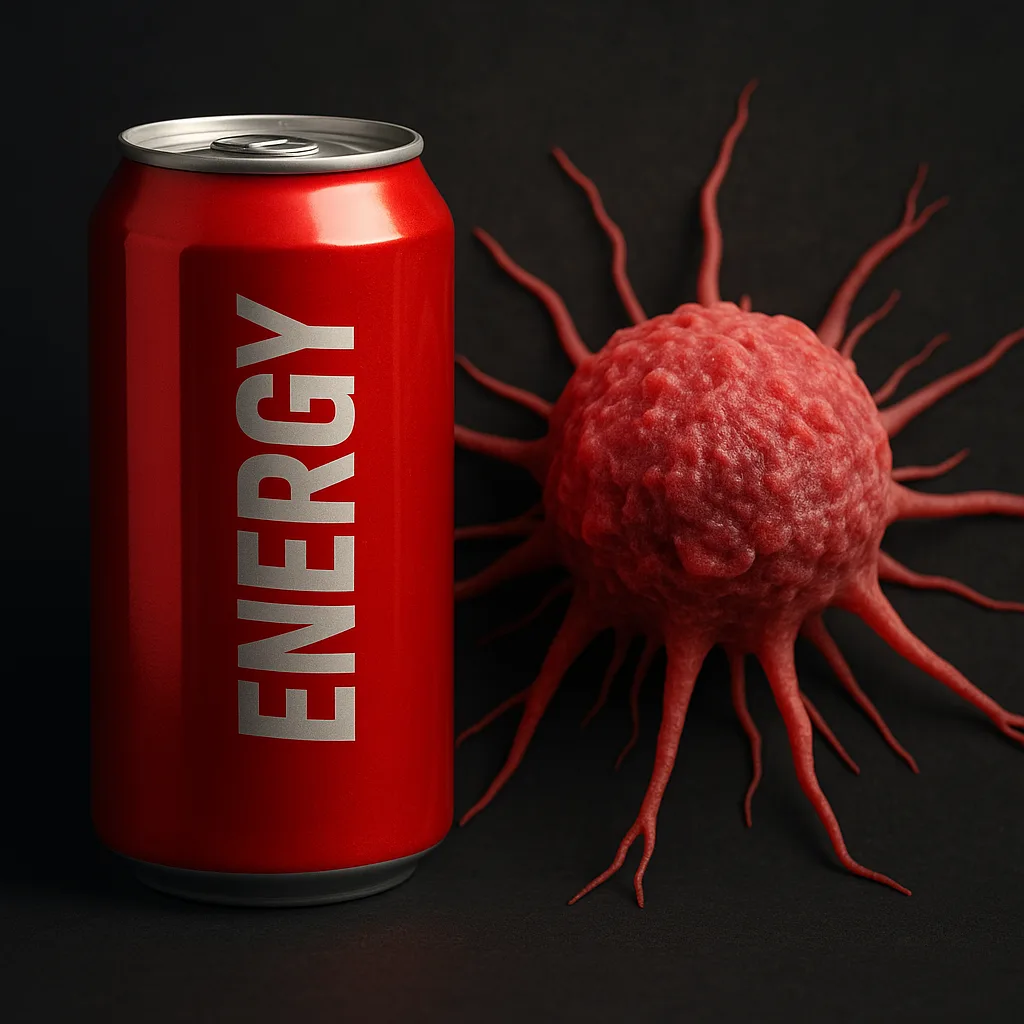
What’s Inside an Energy Drink?
Most energy drinks contain a combination of the following ingredients:
- Caffeine (ranging from 80mg to 300mg per can)
- Taurine
- B Vitamins
- Sugars or artificial sweeteners
- Preservatives
- Colorants and flavor enhancers
It’s this mix — especially the high caffeine content and artificial additives — that has drawn scrutiny from health experts and researchers.
Sugar and Cancer: A Known Risk Factor
Many energy drinks are loaded with sugar — some contain more than a soda can. High sugar consumption is linked to obesity, which is a known risk factor for various types of cancer, including breast, colorectal, and pancreatic cancers.
Moreover, sugary diets can lead to chronic inflammation and insulin resistance — both of which are associated with the development of cancerous cells.
Artificial Sweeteners and Preservatives: Cause for Concern?
Some energy drinks marketed as “sugar-free” use artificial sweeteners like aspartame, sucralose, or acesulfame potassium. While regulatory agencies like the FDA consider these additives safe in moderation, some animal studies have raised questions about potential links to cancer. However, human evidence remains inconclusive.
Additionally, preservatives such as sodium benzoate — when combined with vitamin C — may form benzene, a chemical classified as a known human carcinogen. Though energy drink formulations typically keep this interaction within safe limits, regular and excessive intake could increase long-term risks.
Energy Drinks and Cellular Damage
Research has shown that certain energy drink formulations can cause oxidative stress, a condition where free radicals outnumber antioxidants in the body. This imbalance can lead to DNA damage, which, over time, may contribute to cancer development.
A 2020 study in Food and Chemical Toxicology suggested that excessive consumption of energy drinks might elevate oxidative stress markers in liver and kidney tissues — organs where carcinogenic processes often begin.
Caffeine, Cancer, and Controversy
Caffeine in moderation is generally safe and may even offer some protective benefits against certain cancers. However, when consumed in extreme quantities — such as through multiple energy drinks a day — it could lead to disrupted sleep, hormonal imbalances, and increased cortisol levels, all of which may indirectly affect cancer risk.
Verdict: Should You Be Worried?
While there is no direct evidence that energy drinks cause cancer, the ingredients within them — especially when consumed excessively — may contribute to an environment in the body that is more susceptible to carcinogenic processes.
What You Can Do:
- Limit consumption of energy drinks to occasional use.
- Read the labels and avoid high-sugar or high-caffeine options.
- Stay hydrated with water and eat a balanced, antioxidant-rich diet to combat oxidative stress.
- Choose alternatives like green tea or fresh juices for a healthier energy boost.
Conclusion
The connection between energy drinks and cancer isn’t black and white. While moderate consumption is unlikely to cause harm, habitual overuse — especially in combination with poor lifestyle choices — could increase your risk over time. The best approach? Stay informed, consume responsibly, and listen to your body.