Dental Implants: The Modern Solution to Restore Your Smile
Understanding dental implants can be confusing — especially when comparing treatment options, pricing, and clinic expertise.
Losing a tooth can be a distressing experience — whether due to injury, decay, or gum disease. Thankfully, modern dentistry offers a reliable, long-lasting solution: dental implants. Unlike removable dentures or traditional bridges, dental implants provide a permanent, natural-looking replacement that integrates seamlessly with your existing teeth.
What Are Dental Implants?
Dental implants are small, screw-like posts — typically made of titanium — that act as artificial tooth roots. These posts are surgically placed into the jawbone, where they bond with the bone over time. Once fully integrated, they support a custom-made crown, bridge, or denture, depending on the number of teeth being replaced.
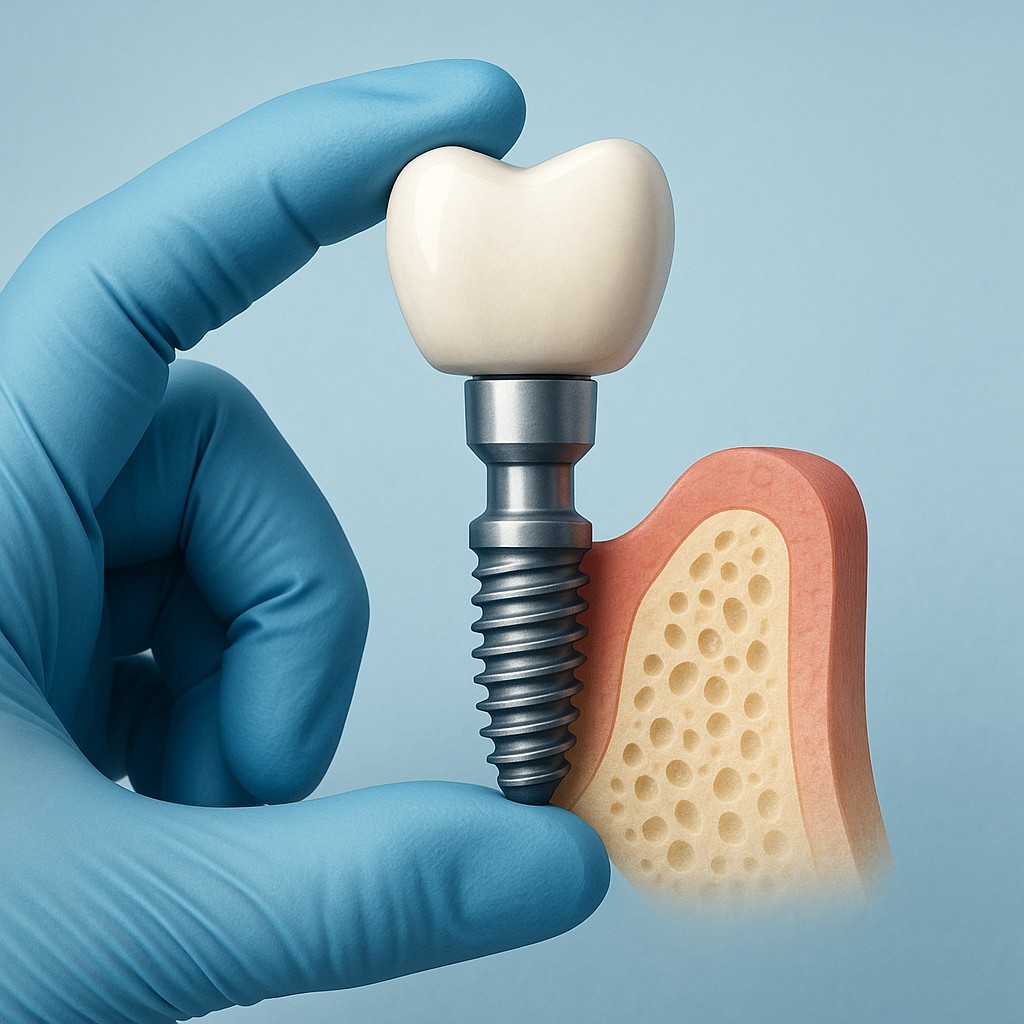
This integration process, known as osseointegration, gives dental implants unmatched stability and longevity compared to other tooth replacement options.
Key Advantages of Dental Implants
1. Natural Look and Feel
One of the top reasons patients choose implants is how closely they resemble natural teeth—in both appearance and function. The crown is carefully crafted to match the color, shape, and size of your other teeth, making it virtually indistinguishable.
2. Long-Term Durability
Dental implants are designed to last. With proper care — including good oral hygiene and regular dental visits — implants can last decades, often a lifetime. This makes them a smart investment for people looking for a permanent solution.
3. Jawbone Preservation
When a tooth is lost, the underlying jawbone can begin to deteriorate. Implants help stimulate bone growth and prevent bone loss, preserving your facial structure and preventing the “sunken” look that can occur with prolonged tooth loss.
4. No Impact on Adjacent Teeth
Unlike bridges, dental implants do not rely on neighboring teeth for support. This means your healthy teeth remain untouched, which helps maintain long-term oral health.
5. Comfortable and Secure Fit
Implants don’t shift or slip like dentures can. They’re anchored firmly in the jawbone, allowing you to eat, speak, and laugh with confidence.
Who Is a Good Candidate for Dental Implants?
Most adults with good general and oral health are eligible for dental implants. Ideal candidates should:
- Have sufficient bone density in the jaw
- Be free from active gum disease
- Not smoke (as smoking can impair healing)
- Be committed to maintaining good oral hygiene
Even if you’ve experienced some bone loss, procedures like bone grafting can often make implants viable.
What to Expect from the Procedure
Getting dental implants typically involves several stages spread over a few months:
- Initial Assessment – A comprehensive exam, including X-rays or 3D scans, determines your suitability.
- Implant Placement – The post is surgically inserted into your jawbone. Healing usually takes 3–6 months.
- Abutment and Crown Placement – Once healed, an abutment is attached to the implant, followed by a custom crown.
Though the process takes time, the result is a strong, natural-looking tooth replacement that feels and functions like your own.
Are Dental Implants Worth It?
While dental implants may carry a higher upfront cost than other options, they often prove more economical over time due to their longevity and low maintenance. Many clinics offer flexible payment plans to make treatment more accessible.
Final Thoughts
Dental implants are more than just a cosmetic fix—they are a transformative solution that improves quality of life, restores function, and protects oral health. If you’re missing one or more teeth, consulting with a qualified implant dentist can be the first step toward reclaiming your smile.