Airbnb Rental Listings Blocked in Spain – What Travelers and Hosts Need to Know
In a major move that is sending shockwaves through the short-term rental industry, Spanish authorities have begun blocking Airbnb rental listings across several major cities. This crackdown is part of a broader effort by regional and municipal governments to regulate the booming short-term rental market, which critics claim has contributed to housing shortages, rent inflation, and the erosion of neighborhood life in tourist-heavy areas.
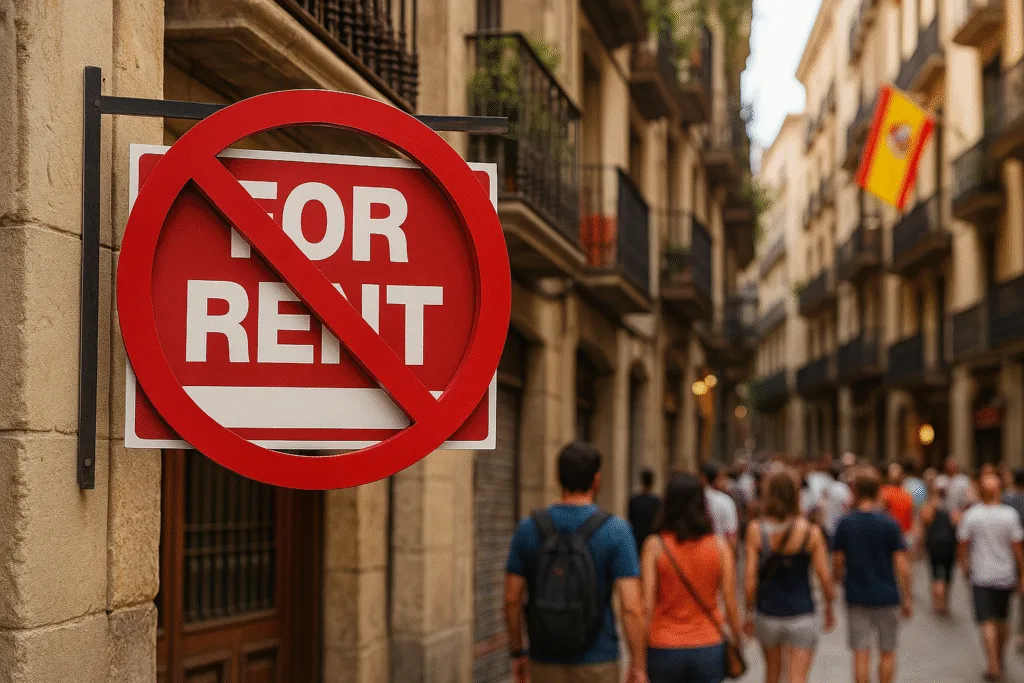
Why Are Airbnb Listings Being Blocked?
The surge in tourism and the growing popularity of platforms like Airbnb and Vrbo have led to a proliferation of short-term rentals in iconic cities such as Barcelona, Madrid, Valencia, and Palma de Mallorca. However, this rapid growth has also fueled resentment among locals who have been priced out of their own neighborhoods.
In response, Spanish cities have introduced stricter licensing requirements for short-term rentals. Property owners are now required to obtain tourism licenses, and in many cases, these licenses are capped or limited by zoning regulations. Failure to comply with these rules means that rental listings may be deemed illegal and subsequently removed from Airbnb’s platform.
Barcelona, in particular, has taken a hardline stance. The city government has implemented a sophisticated tracking system that scans online rental platforms for unlicensed listings. As a result, thousands of Airbnb properties have been delisted or blocked.
Legal Backing and Enforcement
Spain’s national government has generally left short-term rental regulation to the autonomous communities and municipalities. This decentralization has led to a patchwork of local laws that Airbnb must navigate. For instance:
- Barcelona requires tourist licenses and enforces strict zoning.
- Madrid has introduced a “90-day rule,” allowing properties to be rented only up to 90 days a year without a special permit.
- Valencia has declared certain zones off-limits for new tourist rentals altogether.
Authorities have teamed up with digital platforms to enforce these rules. In some regions, Airbnb has faced mounting pressure to share data on hosts and to remove listings that do not comply with local laws. In extreme cases, hefty fines have been imposed on both property owners and platforms.
How This Affects Travelers
For travelers, this means fewer listings in desirable city centers and possibly higher prices due to reduced availability. Those who manage to find rentals may also face uncertainty if their chosen property gets delisted before or during their stay. It’s now more important than ever for tourists to verify whether their rental is properly licensed.
Airbnb has responded by rolling out clearer license information on listings, improving its filtering system, and publishing compliance guidelines for hosts.
Impact on Hosts and the Market
Many Airbnb hosts, especially casual renters who occasionally list spare rooms or vacation properties, are finding it harder to stay compliant. The cost and complexity of obtaining permits, coupled with new tax reporting obligations, are prompting some hosts to exit the short-term rental market altogether.
At the same time, some landlords are converting their properties into long-term rentals or seeking alternative platforms with more lenient policies—though these too are under scrutiny.
Broader Implications for the Sharing Economy
Spain’s crackdown is being watched closely by other European countries. Cities like Amsterdam, Berlin, and Paris have enacted similar restrictions. These regulations reflect growing concern over the balance between tourism and livability, especially as post-pandemic travel rebounds.
Airbnb, for its part, maintains that it is willing to work with local governments and adapt to evolving legal frameworks. However, the ongoing tension between innovation and regulation continues to define the platform’s operations in Spain and beyond.
Conclusion
The blocking of Airbnb rental listings in Spain is a wake-up call for both travelers and hosts. While the intent is to restore housing balance and preserve communities, the ripple effects are widespread. Travelers need to plan carefully and verify bookings, while hosts must navigate a complex legal landscape or risk penalties. As Spain draws a line in the sand, it sets a precedent that could shape the future of short-term rentals across Europe.